Blog
What is Binding Material?

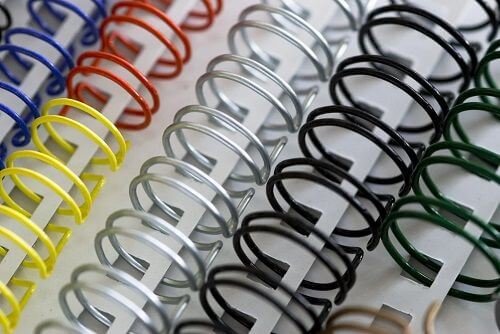
Binding material refers to the materials used to assemble, hold, and secure pages together in notebooks, calendars, books, reports, and other stationery products. Common binding materials include nylon coated wire, double loop wire, plastic coil, spiral wire, comb binding, and metal rings.
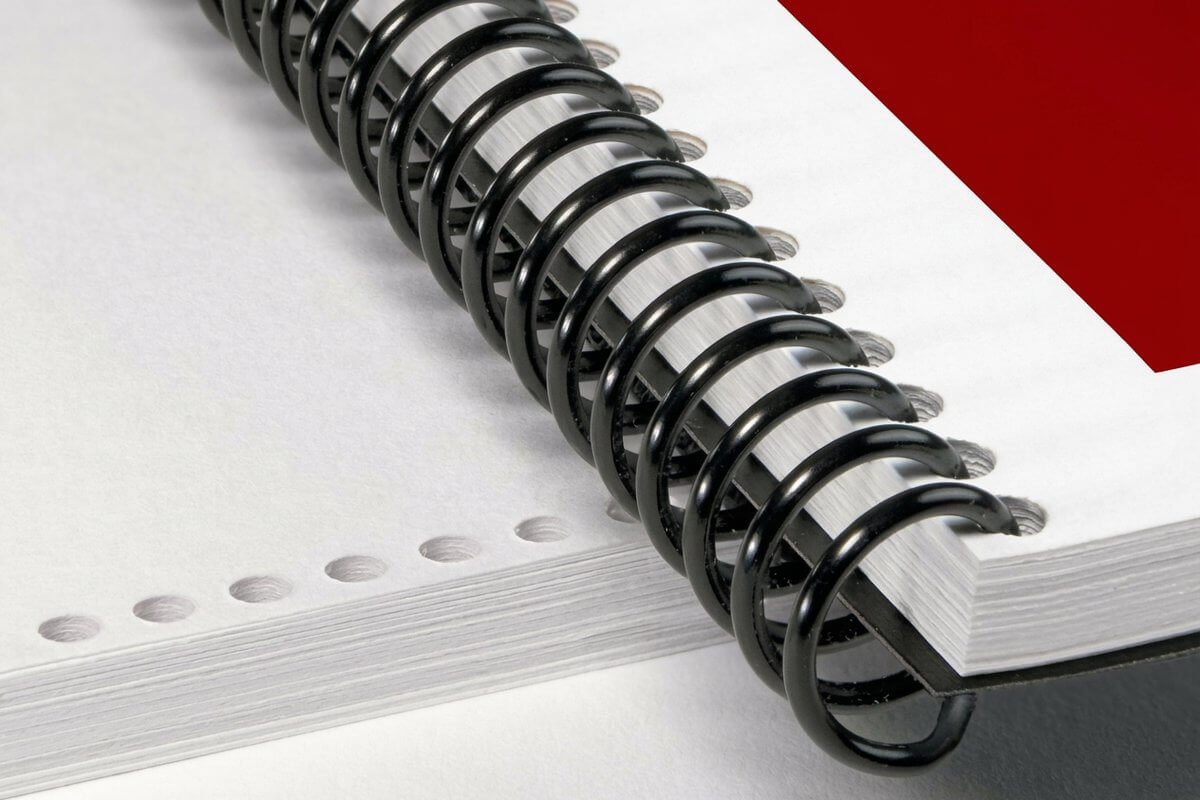
Why Are Binding Materials Important in the Stationery Industry?
In the stationery industry, binding materials directly impact a product’s durability, user experience, visual appeal, and production efficiency. They even determine the market positioning of a notebook, calendar, or folder.
For stationery manufacturers, binding materials are one of the key components that determine product quality.
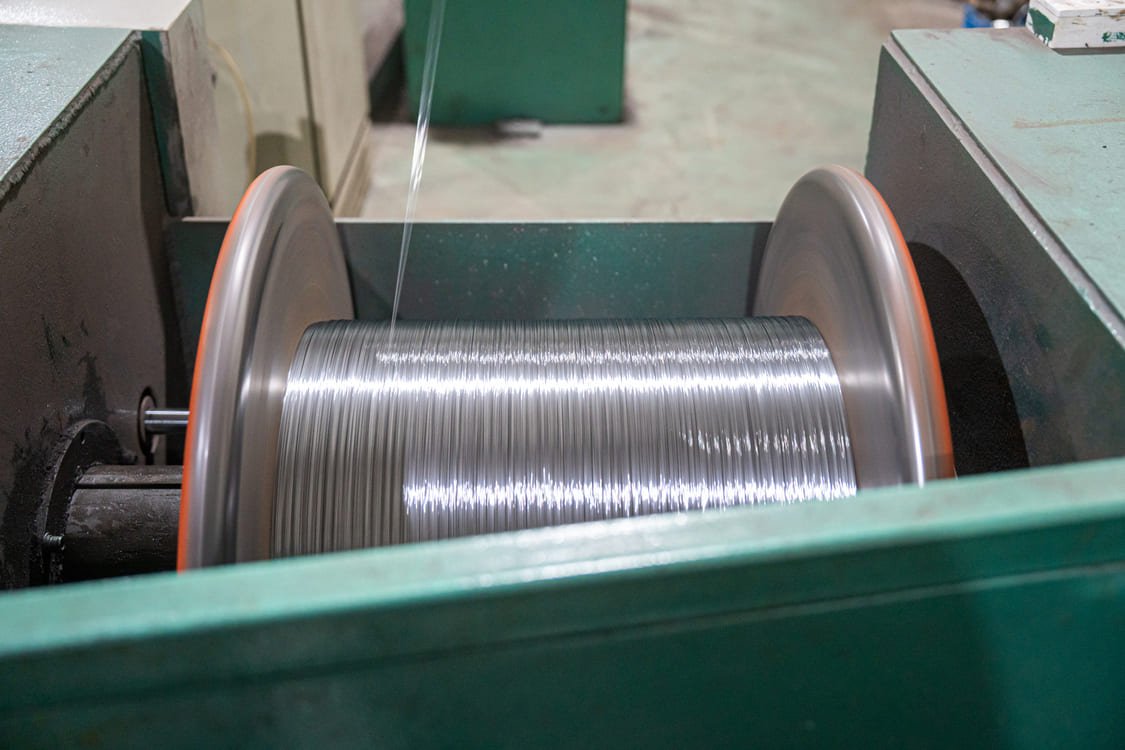
- Determines the structural stability of stationery products: In office and school supplies that see frequent use, the stability of the binding structure is critical.
- Impacts product appearance and quality: Many high-end stationery brands place particular emphasis on the consistency and visual quality of binding materials.
- Enhances page-turning experience and ease of use: High-quality binding materials make stationery products more user-friendly.
- Impacts production efficiency and automated processing: High-quality nylon-coated wire significantly reduces issues such as peeling, breakage, and machine jams during automatic coiling and binding processes.
- Determines the market positioning of stationery products: For the same notebook, using different binding materials can result in market prices that differ by a factor of several times.
- Environmental friendliness and durability are becoming increasingly important
Common Types of Binding Materials
In the stationery industry, there are many types of binding materials. Different binding materials are suitable for different stationery products, usage scenarios, and market positioning. Some prioritize cost, some prioritize appearance, and others prioritize durability and the page-turning experience.
For stationery manufacturers, choosing the right binding material directly impacts product quality and user experience. Below are some of the most common binding materials in the stationery industry.
1. Nylon Coated Wire
Nylon-coated wire is a high-quality binding material widely used in the stationery industry. It consists of a layer of nylon coating applied to the surface of metal wire, which retains the strength of the metal while enhancing its appearance and corrosion resistance.
The main features of nylon-coated wire are as follows:
- Smooth surface
- Resistant to rust
- Good flexibility
- Available in a wide range of colors
- Suitable for high-speed automatic binding
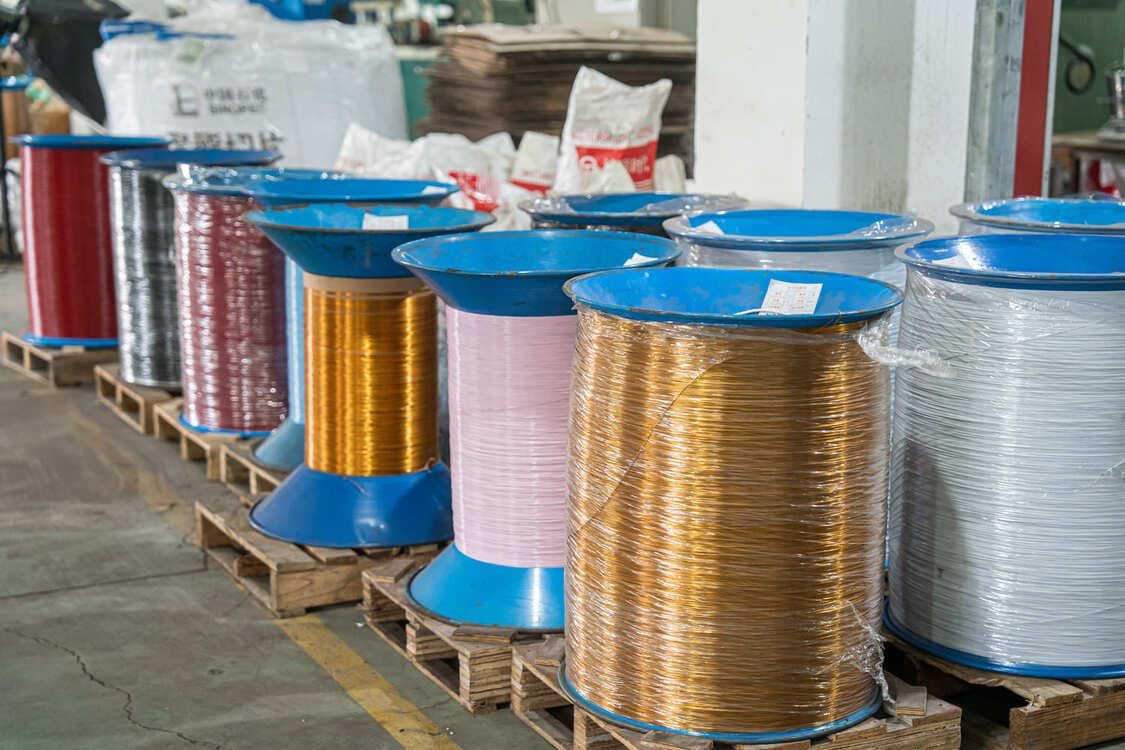
Therefore, it is ideal for:
- Spiral-bound notebooks
- Desk calendars
- Calendars
- Office stationery
- High-end notebooks
Compared to ordinary metal wire, nylon-coated wire is more wear-resistant and does not easily peel or oxidize even after long-term use. This is why many high-end stationery brands in Europe and the United States prefer to use nylon-coated wire.
2. Double Loop Wire
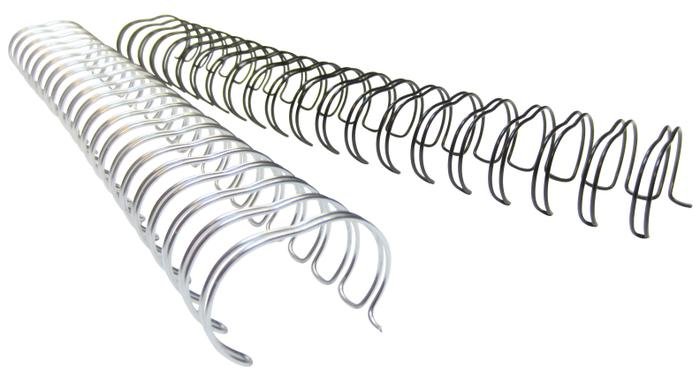
Double Loop Wire is also known as Twin Loop Wire or Wire-O. It is currently one of the most popular binding methods in the notebook industry. This design allows the book to fold flat at 360 degrees, laying completely flat and enabling smoother page turning.
The main features of Double Loop Wire are as follows:
- Sturdy binding
- Neat appearance
- Excellent page-turning experience
- Suitable for high-page-count products
Common Applications:
- Notebooks
- Calendars
- Menu books
- Product catalogs
- Office manuals
The raw material used in many spiral-bound products is actually nylon-coated wire.
3. Spiral Wire
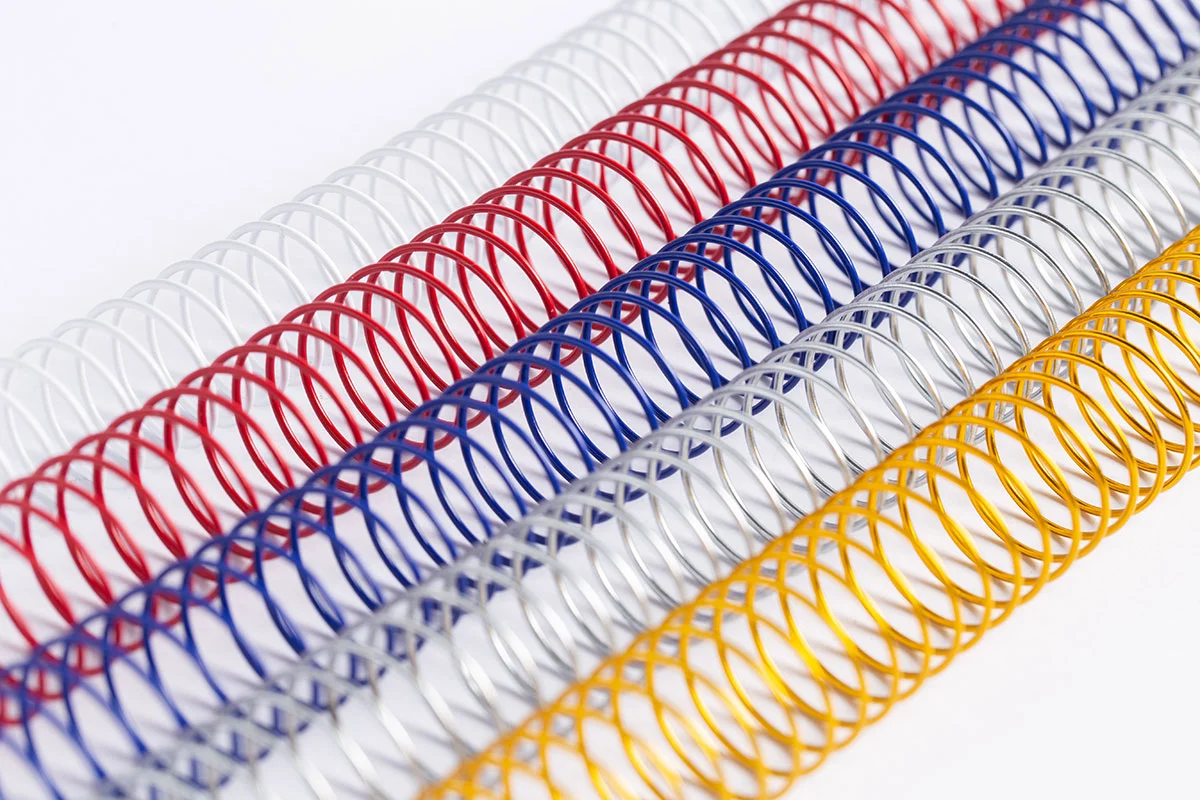
Spiral Wire is a metal binding material with a continuous spiral structure. Unlike double-loop wire, it features a single-strand, continuously wound structure.
Key Features of Spiral Wire:
- Simple structure
- Lower cost
- Fast binding speed
Common Applications:
- Notepads
- Small notebooks
- Simple manuals
However, it is generally less stable than double-loop wire in products with a high page count.
What Materials Are Used to Make Binding Products?
In the stationery industry, binding products can be manufactured from a variety of different materials.
Different materials directly affect binding strength, appearance and texture, flexibility, corrosion resistance, cost, and service life.
Therefore, stationery manufacturers need to select different binding materials based on product positioning and application scenarios. Below are some of the most commonly used binding materials in the stationery industry.
| Material Name | Main Features | Common Applications |
| Steel Wire | High strength, stable cost, suitable for forming | Double loop wire, spiral wire, calendar wire |
| Nylon Coated Wire | Rust-resistant, smooth surface, flexible, colorful | Premium notebooks, calendars, office stationery |
| Stainless Steel | Corrosion-resistant, durable, high strength | High-end stationery, humid environment products |
| Plastic | Lightweight, low cost, flexible | Plastic coil, plastic comb, folders |
| Paperboard | Printable, eco-friendly, easy to process | Notebook covers, calendar backboards, folders |
| Adhesive Glue | Clean binding, suitable for mass production | Books, magazines, catalogs |
| Metal Components | Improve structural strength and appearance | Folders, calendars, specialty stationery |
Nylon-coated wire is a high-quality binding material widely used in the stationery binding industry. It features a high-strength steel core covered with a nylon coating, combining the strength of metal with the flexibility of nylon. Compared to ordinary metal wire, nylon-coated wire offers superior rust resistance, a smoother surface, and a wider range of color options, effectively enhancing the aesthetic appeal and durability of stationery products.
In notebooks, desk calendars, wall calendars, and office stationery, Nylon Coated Wire is extensively used in Double Loop Wire and Wire-O Binding systems. It not only enables a smoother page-turning experience but also reduces issues such as coating cracking and surface damage during automated binding processes. For high-end stationery brands and export markets, coating uniformity, color consistency, and corrosion resistance are all critical quality standards when sourcing Nylon Coated Wire.
How to Choose the Right Binding Material?
Choosing the right binding material not only affects the appearance of stationery products but also directly determines their durability, page-turning experience, production efficiency, and market positioning. For stationery manufacturers, different binding materials are suitable for different products and usage scenarios; therefore, multiple factors must be taken into account when making a selection.
| Application | Recommended Binding Material | Reason |
| Notebook | Double Loop Wire | Durable & lay-flat |
| Calendar | Nylon Coated Wire | Smooth turning |
| School Books | Plastic Coil | Low cost |
| Reports | Comb Binding | Easy editing |
1. Select Based on Product Type
Different stationery products have completely different requirements for binding materials.
For example:
- Notebooks, desk calendars → Best suited for Double Loop Wire or Nylon-Coated Wire
- Student workbooks → Best suited for Plastic Coil
- Business documents → Commonly use plastic comb
- Books and magazines → Best suited for hot melt binding
If the product requires 360° page turning, lies flat when opened, and will be used frequently, we recommend prioritizing a wire binding system.
2. Choose Based on Product Grade
The binding material directly affects the product’s texture.
For example:
- Standard office supplies → Greater emphasis on cost
- High-end business notebooks → Greater emphasis on appearance and durability
- Gift stationery → Greater emphasis on color and design
Compared to standard metal wire, nylon-coated wire is typically better suited for the high-end market because it has a smoother surface, better rust resistance, a wider range of colors, and a more premium appearance.
3. Select Based on Durability Requirements
If a product is intended for long-term use, the durability of the binding material must be taken into account.
Low-quality materials are prone to issues such as rust, breakage, deformation, and paint peeling; therefore, many of our quality-conscious customers place particular emphasis on corrosion resistance, flexibility, and surface quality.
In the European and American markets, durability has become a key purchasing criterion.
4. Selection Based on Automated Production
For large stationery manufacturers, it is crucial to determine whether binding materials are suitable for automated production.
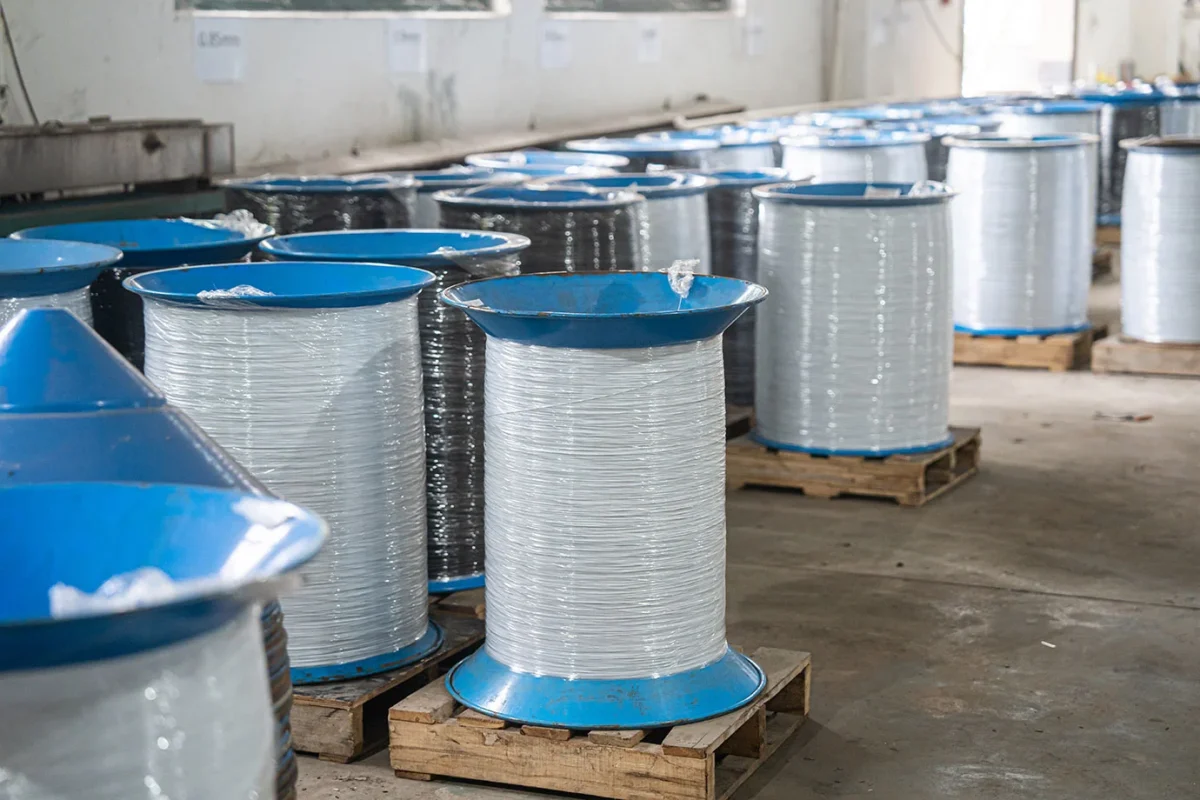
Nylon-coated wire, which offers high consistency, is better suited for high-speed automated Wire-O forming equipment. As a result, many manufacturers focus not only on price but also on material stability.
5. Selecting Based on Color and Appearance
The modern stationery industry places increasing emphasis on product design.
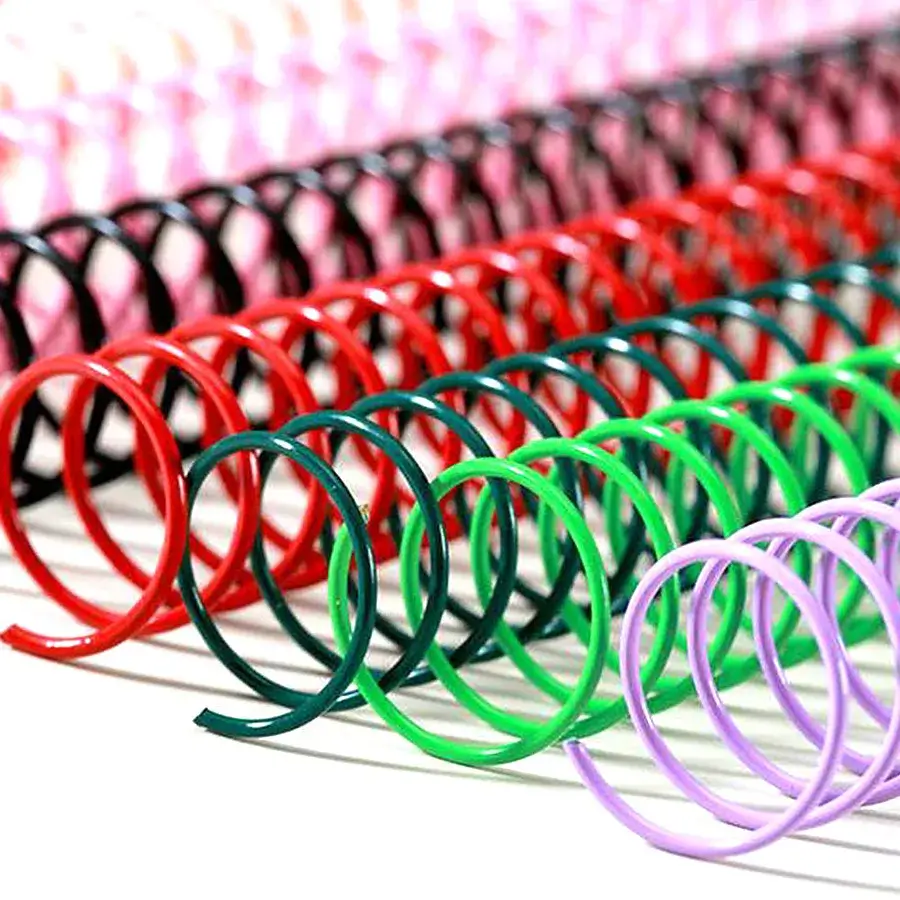
The color, gloss, and surface finish of binding materials all affect the visual appeal of the final product.
Therefore, color consistency and surface finish are also important criteria to consider during procurement.
Binding Materials Applications

Binding materials are widely used in a variety of stationery and office products. They not only hold pages together but also affect the product’s page-turning experience, durability, and overall appearance.
Different types of binding materials are suitable for different stationery products. For example, Nylon Coated Wire and Double Loop Wire are commonly used in high-end notebooks, desk calendars, and wall calendars because they offer smooth page-turning, a neat appearance, and are resistant to rust. Plastic Coil and Plastic Comb, on the other hand, are more commonly used in student stationery, office documents, and training materials due to their low cost and lightweight nature.
In the modern stationery industry, binding materials are widely used in:
- Notebooks
- Desk and wall calendars
- Office documents
- Student workbooks
- Product catalogs
- Corporate brochures
- Custom stationery
- Books and magazines
As market demands for product quality continue to rise, high-quality binding materials are becoming a crucial factor in enhancing the value of stationery products and the user experience.
Trends in the Binding Materials Industry
As the stationery industry continues to evolve, the market for binding materials is shifting toward higher quality, eco-friendliness, and personalization. An increasing number of stationery brands are focusing on product aesthetics, durability, and user experience, leading to rapidly growing demand for premium binding materials such as nylon-coated wire. Compared to standard metal wire, our customers prefer binding materials with smoother surfaces, superior rust resistance, and greater color consistency to elevate the overall quality of their products.
At the same time, automation and environmental regulations are shaping the industry’s trajectory. Large stationery manufacturers are increasingly prioritizing dimensional stability, flexibility, and compatibility with automated production systems to minimize machine jams and material waste. Furthermore, stricter compliance requirements for RoHS, REACH, and eco-friendly coatings in European and North American markets are driving binding materials manufacturers to develop new, recyclable, low-pollution, and long-lasting alternatives.
FAQ About Binding Materials
Why Is Surface Quality Important for Binding Materials?
High-quality surface finishing helps reduce:
- Scratches
- Peeling
- Rust
- Page-turning resistance
It also enhances the overall appearance and user experience of stationery products. For automated binding equipment, consistent surface quality also helps minimize paper jams.
Are Eco-Friendly Binding Materials Important?
Yes. As environmental regulations in European and American markets continue to tighten, an increasing number of buyers are paying attention to:
- RoHS
- REACH
- Recyclable materials
- Eco-friendly coatings
Eco-friendly binding materials are becoming a major trend in the industry.
Why Choose Sincerity Binding?
As a professional manufacturer and supplier of binding materials, Sincerity Binding specializes in the production and supply of nylon-coated wire and stationery binding materials. With our stable production processes and rigorous quality control, we offer:
- Consistent wire diameter accuracy
- Uniform coating
- A wide range of custom colors
- Stable supply for large-volume orders
We help global stationery brands and manufacturers achieve higher-quality binding solutions.
Why Work With a Professional Binding Materials Manufacturer?
In the stationery industry, binding materials not only affect a product’s appearance but also directly determine its binding strength, page-turning experience, durability, and automated production efficiency. Therefore, selecting a professional binding materials manufacturer is crucial for stationery brands and manufacturers.
As a professional binding materials manufacturer and supplier, Sincerity Binding specializes in the production and supply of nylon-coated wire and other stationery binding materials. We not only provide consistent product quality but also support custom colors, custom sizes, and stable bulk supply to meet the needs of various stationery brands and markets.
Partnering with a professional binding materials supplier means not only more reliable products but also more stable production, lower after-sales risks, and greater long-term partnership value.


