Blog
Types of Book Binding Materials

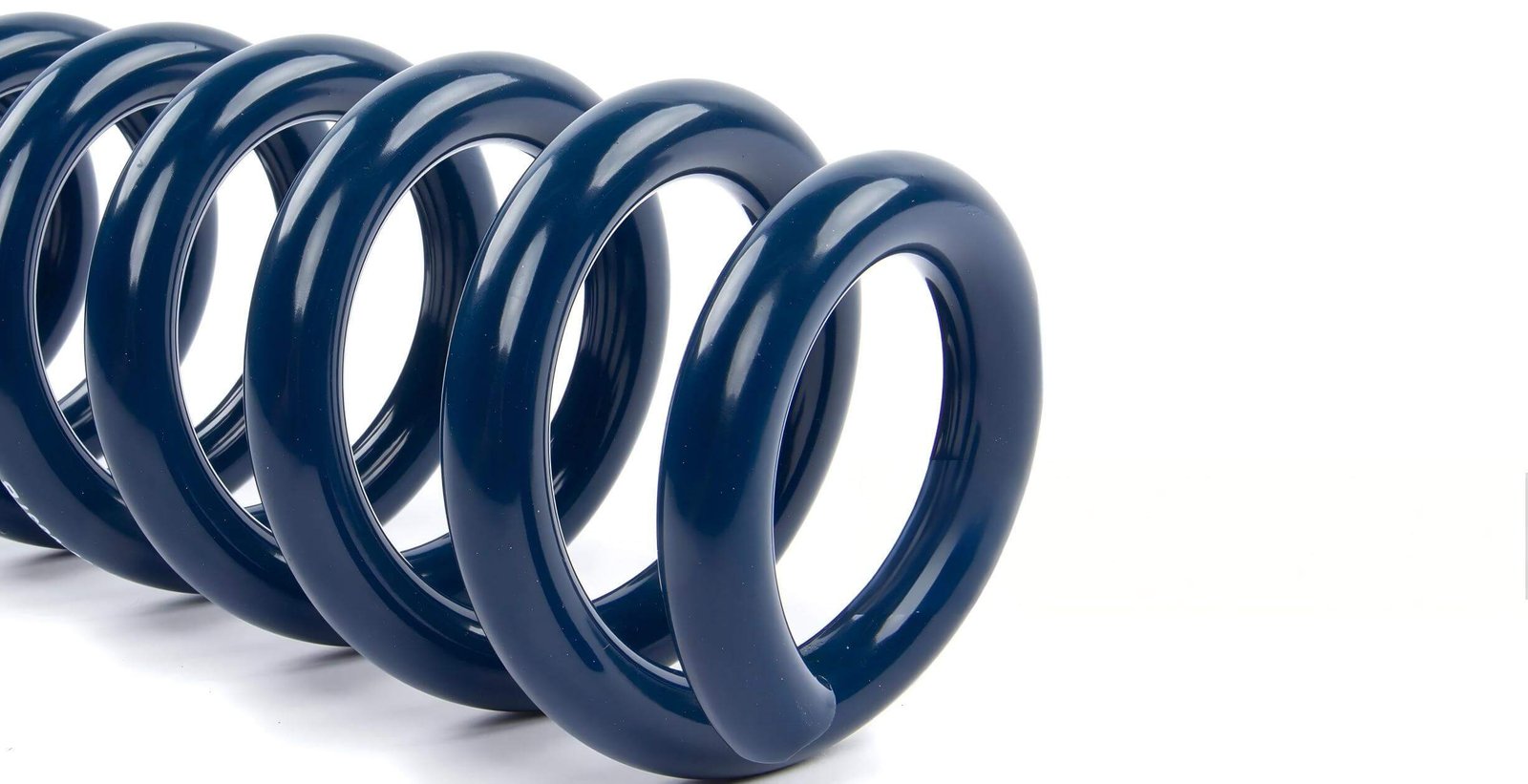
Book binding materials are the materials used to assemble and secure pages in notebooks, books, calendars, planners, and printed documents. Common types of book binding materials include nylon coated wire, double loop wire, spiral wire, plastic coil, comb binding, glue binding materials, and loose leaf rings.
Why Book Binding Materials Matter?
Book binding materials do more than simply hold pages together; they directly impact a book’s durability, page-turning experience, visual appeal, and overall lifespan. For notebooks, calendars, manuals, and office supplies, selecting the right binding material is a key factor in determining product quality.
High-quality book binding materials ensure that books:
- Turn pages more smoothly
- Resist page separation
- Maintain their shape over time
- Present a neater, more premium appearance
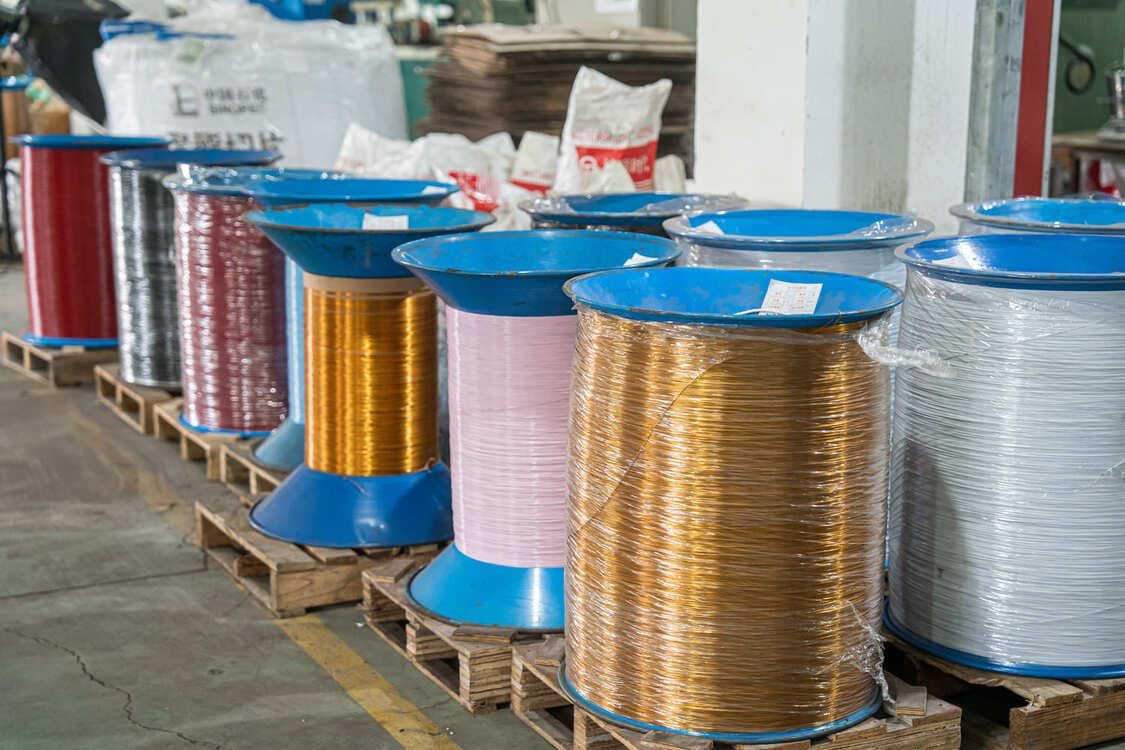
For example, Nylon Coated Wire is widely used in high-end notebooks and calendars due to its superior rust resistance, smoother surface, and more consistent forming results. Compared to standard metal wire, it not only enhances product durability but also improves the overall visual quality.
At the same time, as the stationery industry continues to evolve, consumers and brands are placing increasing emphasis on product experience and design aesthetics. Consequently, more and more stationery manufacturers are choosing high-quality binding materials to enhance their products’ competitiveness.
As a professional binding materials manufacturer and supplier, Sincerity Binding specializes in the production of nylon-coated wire and other stationery binding materials, providing stable, high-quality binding solutions to stationery brands and manufacturers worldwide.
Main Types of Book Binding Materials
In the stationery and printing industries, different types of book binding materials are suited for various book structures, usage scenarios, and product positioning. Choosing the right binding material not only affects the book’s durability but also influences the page-turning experience, visual appeal, and production efficiency.
Below are some of the most common book binding materials currently used in the stationery industry.
1. Nylon Coated Wire
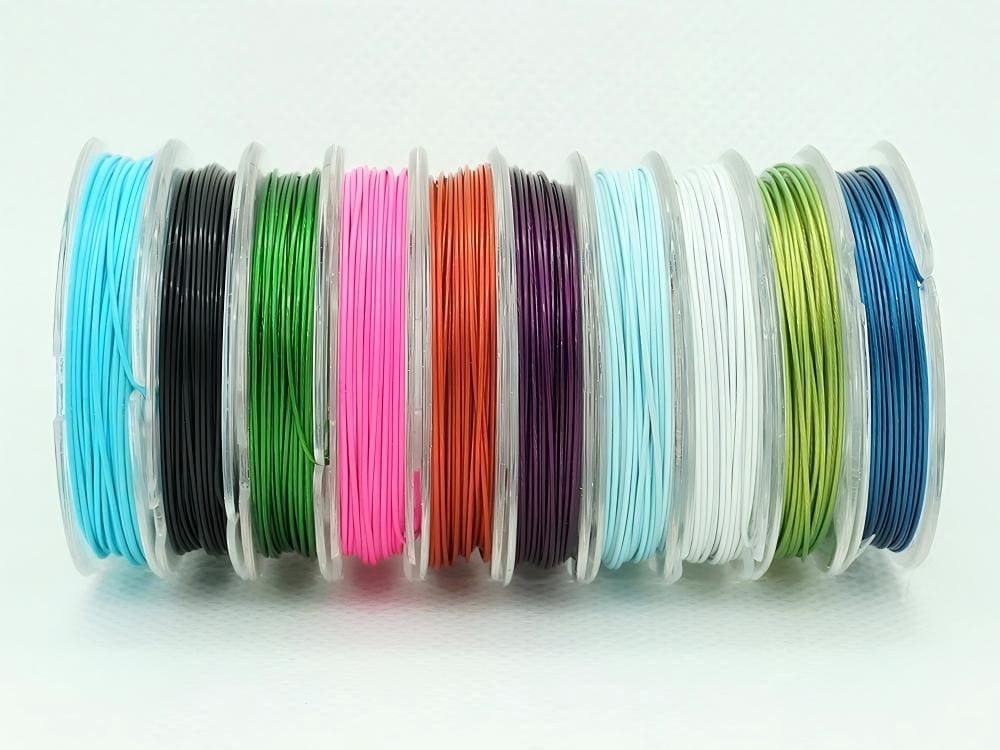
Nylon-coated wire is a very common material used in high-end bookbinding.
It features a steel core covered with a nylon coating, offering excellent rust resistance and a smooth surface. In addition, nylon-coated wire is available in a wide variety of colors.
This material is widely used as raw material for double-loop wire, Wire-O binding, and calendar binding.
It is particularly suitable for high-end notebooks, planners, calendars, and office stationery.
As a professional Nylon Coated Wire manufacturer, Sincerity Binding is dedicated to providing high-quality, consistent binding material solutions.
2. Double Loop Wire
Double Loop Wire is currently one of the most popular binding methods in the notebook industry.
It allows for 360° page turning and lies completely flat, enabling users to turn pages more smoothly.
At the same time, Double Loop Wire offers excellent structural stability and a clean, neat appearance. As a result, it is commonly used in notebooks, calendars, product catalogs, and office manuals.
Comparison of Different Book Binding Materials
| Binding Material | Durability | Appearance | Flexibility | Common Use |
|---|---|---|---|---|
| Nylon Coated Wire | High | Premium | Good | Notebooks |
| Double Loop Wire | High | Professional | Medium | Planners |
| Plastic Coil | Medium | Casual | High | School Books |
| Comb Binding | Medium | Office Style | Removable | Reports |
How to Choose the Right Book Binding Material?
Choosing the right bookbinding material not only affects the book’s appearance but also directly impacts the product’s durability, the page-turning experience, and production efficiency. For stationery manufacturers, different products require different binding solutions.
When selecting a binding material, the following factors should be given careful consideration:
- Page Count: The higher the page count, the greater the strength required of the binding material. Notebooks with a high page count are better suited for double-loop wire.
- Product Thickness: Thicker books require a stronger support structure to prevent warping or pages coming loose after prolonged use.
- Book Size: Different sizes require matching wire diameters or binding systems.
- Durability: If the product is intended for long-term use, it is recommended to choose materials with better rust resistance and more stable structures, such as Nylon-Coated Wire.
- Appearance: High-end stationery typically places greater emphasis on color consistency, surface smoothness, and overall visual appeal.
- Binding Machine Compatibility: Materials must be compatible with automatic binding equipment; otherwise, issues such as machine jams, wire breakage, or inconsistent binding results may occur.
- Budget: Costs vary significantly among different binding materials, so selection should be based on the product’s positioning.
- Export Packaging
Export markets typically prioritize rust prevention, resistance to compression and deformation, and stability during transport.
Recommended Binding Materials for Different Applications
| Application | Recommended Material |
|---|---|
| Premium Notebook | Double Loop Wire |
| School Notebook | Plastic Coil |
| Calendar | Nylon Coated Wire |
| Office Report | Comb Binding |
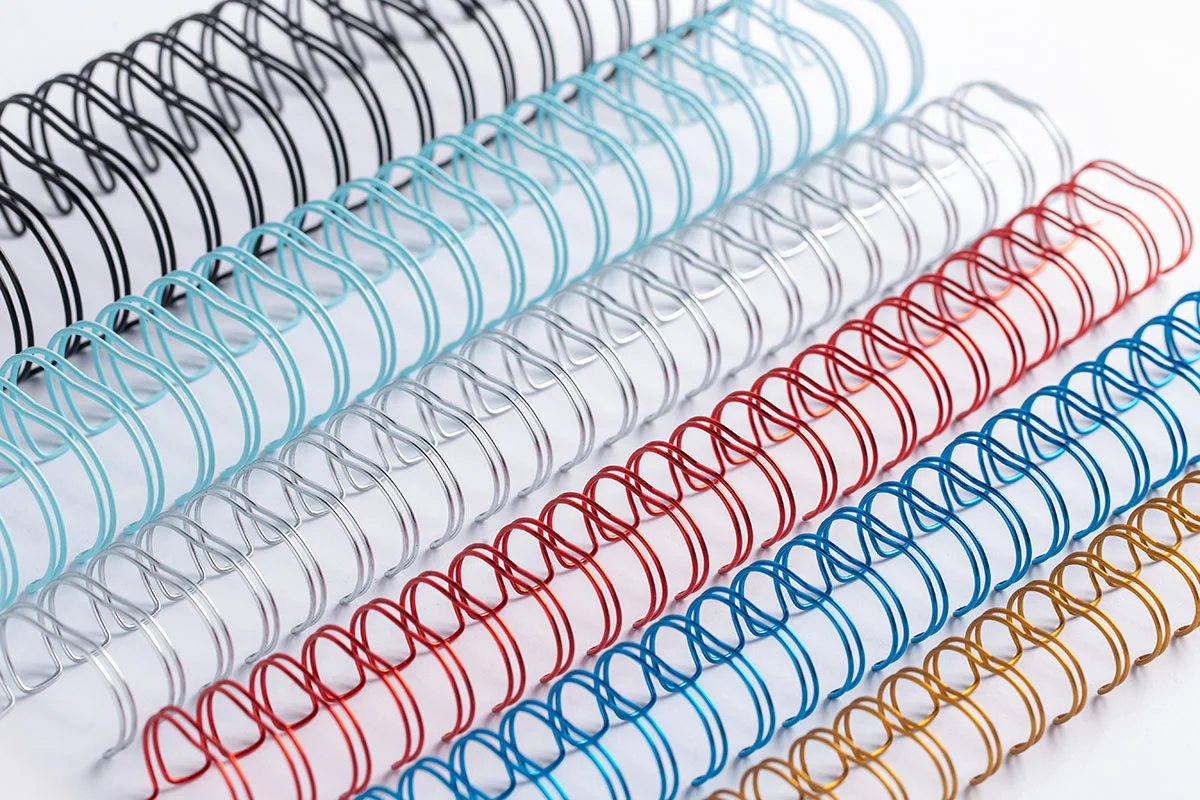
High-end notebooks are better suited for Double Loop Wire, as it offers a superior page-turning experience and enhances the product’s premium feel. For calendar products, Nylon Coated Wire is recommended because it provides better rust resistance and consistent appearance, making it ideal for long-term display and export markets.
As a professional manufacturer and supplier of binding materials, Sincerity Binding specializes in Nylon Coated Wire and stationery binding solutions, providing stable, high-quality binding materials to stationery brands and manufacturers worldwide.
What Materials Are Used to Manufacture Binding Products?

In the stationery industry, various types of binding products are manufactured using a wide range of raw materials. The quality of these raw materials directly affects the strength, flexibility, rust resistance, appearance, and service life of the binding products.
As a professional manufacturer and supplier of binding materials, Sincerity Binding primarily uses the following raw materials to manufacture its binding products:
| Raw Material | Main Application |
| Low Carbon Steel Wire | Double Loop Wire、Wire-O |
| Stainless Steel Wire | High-end rust-resistant products |
| Nylon Coating | Nylon Coated Wire |
| PVC | Plastic binding products |
| PP Plastic | Plastic Coil、Comb Binding |
Among these, nylon-coated wire is currently a widely used material in high-end stationery binding. Combining the strength of steel wire with the rust-resistant properties of a nylon coating, it is extensively used in notebooks, calendars, planners, and other office stationery products.
Nylon Coated Wire Manufacturing Process
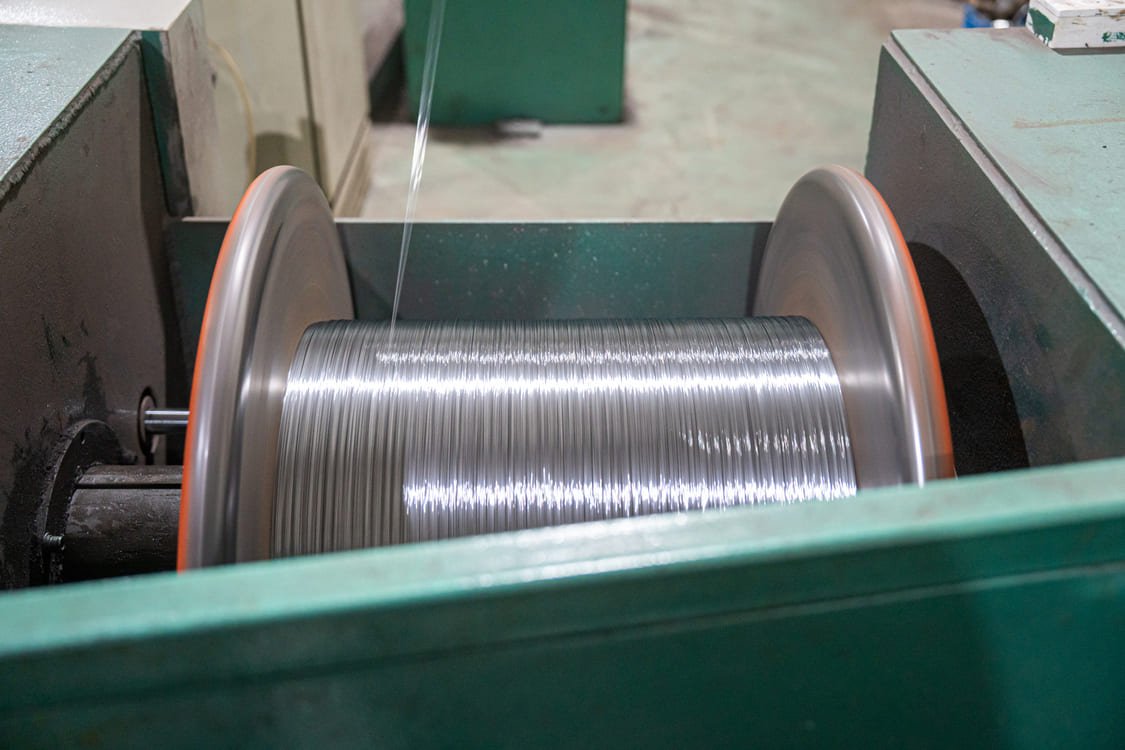
As a nylon-coated wire manufacturer , Sincerity Binding places great emphasis on material consistency, surface quality, and compatibility with automated processes during production. The production of high-quality nylon-coated wire involves the following steps:
1. Wire Drawing: Low-carbon steel wire is drawn to control the precision of the wire diameter.
2. Nylon Coating: The steel wire is coated with nylon.
3. Forming: The coated wire is fed into automated forming equipment to be processed into ready-to-use binding products.
4. Cutting: The product is cut to various lengths according to your requirements.
5. QC Inspection: At Sincerity Binding, quality control is integrated throughout the entire production process.
Why Manufacturing Quality Matters?
Binding materials are more than just simple stationery components; they directly impact product lifespan, page-turning experience, automated production efficiency, and the perceived quality of a brand.
As a professional manufacturer of nylon-coated wire, Sincerity Binding is committed to providing the global stationery industry with reliable, high-quality binding material solutions.
Applications of Book Binding Materials
Bookbinding materials are widely used in various stationery and office products. Different types of bookbinding materials are applied to different types of books and stationery products depending on their intended use, aesthetic requirements, and method of use.
Common applications include:
- Notebooks
- Calendars (Desk and Wall Calendars)
- Planners & Journals
- Office Documents
- School Supplies
- Catalogs
- Presentation Books
Among these, Double Loop Wire and Nylon Coated Wire are commonly used in high-end notebooks and calendars. Plastic Coil and Comb Binding are more frequently used in school supplies and office documents.
As a professional manufacturer and supplier of binding materials, Sincerity Binding provides stable, high-quality binding solutions to the global stationery industry.
FAQ About Book Binding Materials
What Is the Best Material for Notebook Binding?
For high-end notebooks, Double Loop Wire and Nylon-Coated Wire are very common choices. They allow for 360-degree flipping and offer superior durability and a premium feel.
Why Is Nylon Coated Wire Popular?
Nylon-coated wire offers:
- Better rust resistance
- A smoother surface
- A wider range of color options
- More consistent forming results
As a result, it is widely used in notebooks, calendars, and planners.
What Is the Difference Between Plastic Coil and Double Loop Wire?
Plastic Coil is lighter and more cost-effective, and is primarily used in school supplies.
Double Loop Wire, on the other hand, is more durable and offers a smoother page-turning experience, making it more suitable for high-end notebooks and office stationery.
Why Is Surface Quality Important?
High-quality surface treatments can reduce:
- Rusting
- Peeling
- Scratches
- Jamming issues
They also enhance the overall appearance and user experience of stationery products.
Are Eco-Friendly Binding Materials Important?
Yes. An increasing number of European and American customers are beginning to focus on:
- RoHS
- REACH
- Eco-friendly coatings
- Recyclable materials
Eco-friendly binding materials are becoming an industry trend.
Why Choose Sincerity Binding?
As a professional manufacturer and supplier of binding materials, Sincerity Binding specializes in the production and supply of nylon-coated wire and stationery binding materials. With our reliable production processes and rigorous quality control, we provide high-quality, consistent binding solutions to stationery brands and manufacturers worldwide.


